
Piano Tuning Experts: Fast, Reliable, and Trustworthy!
At Key Tuning Co, we understand the profound connection between a musician and their instrument.
Where Every Note Finds Its True Voice
Our passion for pianos drives us to deliver top-quality tuning services that ensure your piano sounds its best, every time you play. Whether you're a professional pianist, a teacher, or a hobbyist, we cater to all your piano tuning needs with precision and care.
Serving Buffalo and the surrounding areas, we're here to keep the heart of your music in perfect harmony.
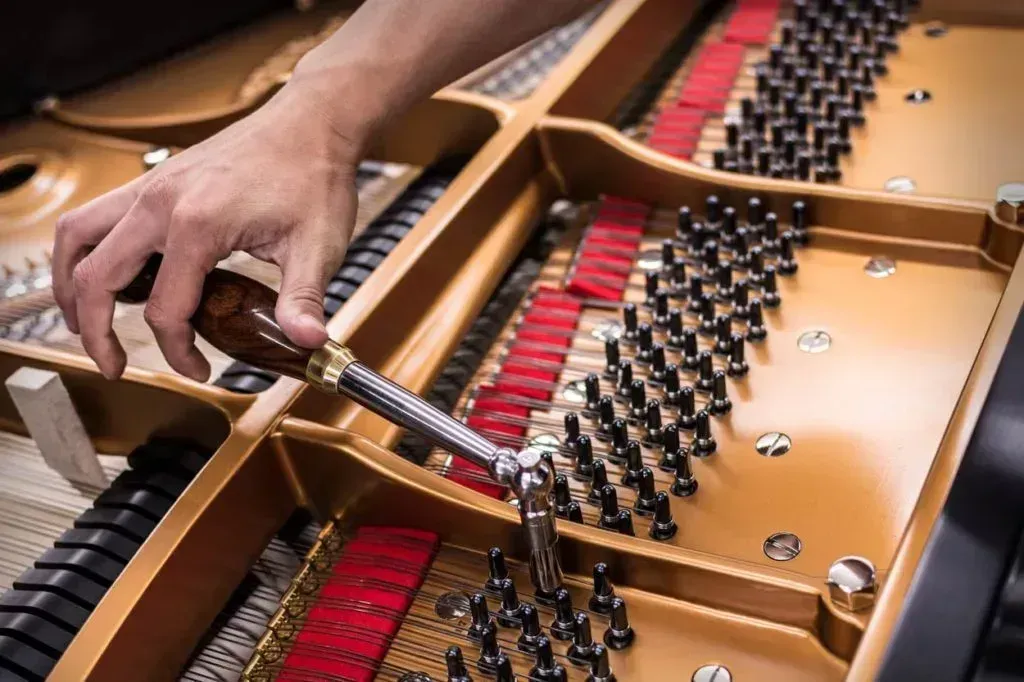
Piano Tuning
Why do you need piano tuning?
Enhances Sound Quality
Improves Playability
Protects Your Investment
Ready to hear your piano at its best? Schedule your appointment and enjoy the rich, clear sound of a perfectly tuned piano. Let's make your music shine!
Our Services
Expert Piano Care Tailored to Your Needs

Piano Tuning
Regular and fine-tuning services to keep your piano in optimal playing condition.

Piano Voicing
Adjustments to the tone and sound quality of your piano to match your personal preferences.

Piano Repairs
Minor repairs and adjustments to ensure your piano is functioning at its best.
About Us
Meet the Heart Behind the Harmony
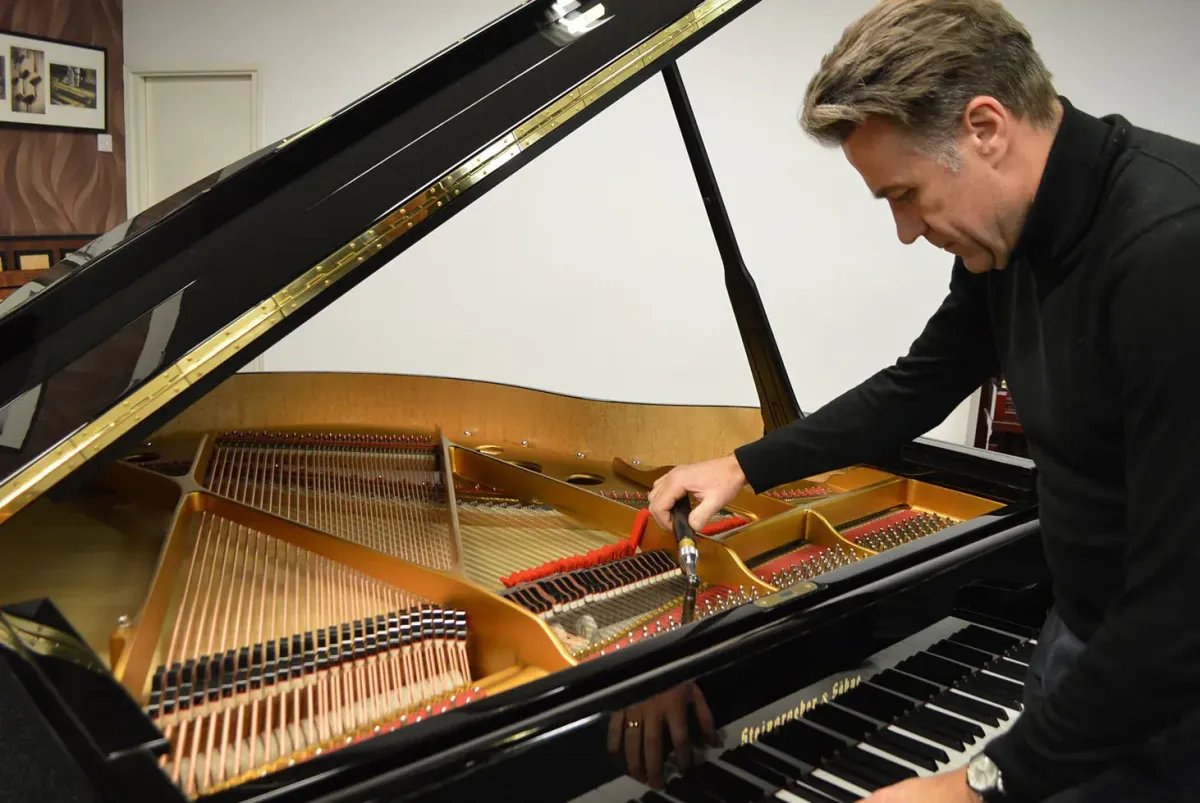
We treat each instrument with the care and respect it deserves, making your music our top priority.
Key Tuning Co. is a locally-owned business dedicated to the art of piano tuning. Founded by a skilled piano tuner with a deep love for music and a commitment to excellence, our mission is to bring out the best in every piano we service.
We tune each piano to perfection, ensuring it resonates with clarity and richness. Whether your piano is an heirloom or a recent addition, we treat it with the utmost respect and care.
We believe that every piano has a unique voice, and we're here to help it sing.
Our Mission
At Key Tuning Co, our mission is to bring harmony to every home by ensuring that every piano we touch is tuned to perfection. Our goal is to provide expert piano tuning services that not only enhance the sound of your instrument but also enrich your musical journey.
Our Philosophy
Passion for Precision: We approach every piano with meticulous care, understanding that each instrument is unique and deserves the utmost attention to detail.
Commitment to Excellence: We strive to exceed expectations in every aspect of our work, from the quality of our tuning to our customer service.
Our Promise
Professional Service: We promise to provide a professional, reliable, and courteous service every time we visit your home.
Transparent Pricing: We guarantee clear, upfront pricing with no hidden fees, ensuring you know exactly what to expect.
Our Guarantee
Satisfaction Guaranteed: If you're not completely satisfied with our tuning services, we will return to make it right, free of charge.
Quality Assurance: We guarantee that your piano will sound its best after our tuning, or we will work with you until it does.
Our Blogs
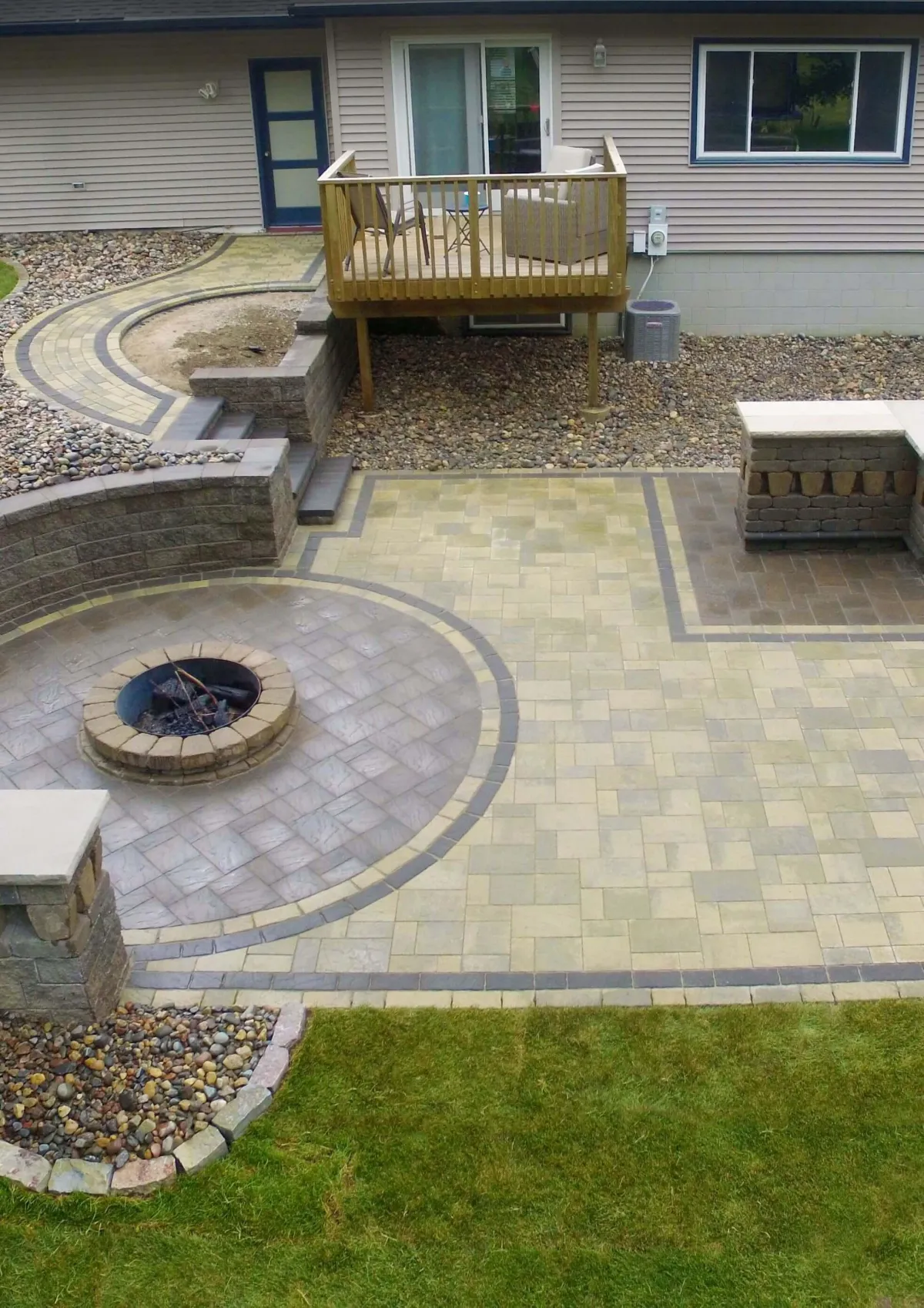
How much does paver patio cost in Buffalo?
Learn more about installing a paver patio in Buffalo from Buffalo Hardscapes Landscaping experts.
Introduction:
In the constantly evolving landscape of home improvement and outdoor living, the quest for spaces that not only enhance our quality of life but also contribute to our homes' value has never been more pronounced.
As someone who has always been deeply interested in the intersection of technology, design, and practical living solutions, I find the discussion around creating sustainable and value-adding home enhancements particularly engaging. Among these, the paver patio stands out as a remarkable blend of functionality, aesthetics, and innovation!

The Comprehensive Guide to Paver Patio Costs: What You Need to Know in 2024! 👊
1. Introduction.
Paver patios have surged in popularity, offering homeowners a durable and versatile option to beautify their outdoor spaces. However, one of the pivotal questions that often arise when considering such a project is, "How much does a paver patio actually cost?" This question is more complex than it appears, influenced by a myriad of factors including materials, design, and labor.
Materials play a critical role in shaping not just the cost but also the sustainability and longevity of your patio. From the eco-friendly permeability of porous concrete pavers to the timeless elegance of natural stone, each choice comes with its own set of considerations, including cost, environmental impact, and maintenance needs.
Size and design complexity also significantly affect the project's cost. A larger area or a more intricate laying pattern demands more materials and labor, reflecting directly on your final budget. It's akin to developing a piece of software: the more complex the code, the greater the resource investment required.
Labor costs, too, cannot be overlooked. Just as in the tech industry, where the expertise of the development team can make or break a project, the skill and experience of your installation team are crucial. They ensure that the project not only meets your aesthetic and functional requirements but also adheres to local regulations and permits, avoiding costly adjustments down the line.
In the following sections, we'll dive deeper into each of these factors, exploring how they collectively contribute to the cost of a paver patio. We'll also touch upon the installation process, additional cost influencers, and share some strategic tips for maximizing your investment without compromising on quality or sustainability.
Creating a paver patio is more than just adding to your home's outdoor space—it's an investment in your home's future and a step towards more sustainable living solutions. Let's explore how to make this investment a wise one.
2. Understanding Paver Patio Costs.
Navigating the landscape of paver patio costs requires a multifaceted approach, much like assessing the viability of a new technology or initiative. It's not merely about the upfront financial outlay but understanding the broader implications of your choices on cost, sustainability, and long-term value. Let's break down the primary factors that influence these costs.
Materials: A Foundation for Innovation and Sustainability
The selection of materials for your paver patio is akin to choosing the right programming language for a software project. Each material, from concrete and brick to natural stone, carries its own set of characteristics, environmental impacts, and costs. Concrete pavers, for instance, offer a balance between durability and cost-effectiveness, making them a popular choice for those seeking practical solutions. Brick, with its classic appeal, can elevate the aesthetics of your space but might come with a higher price tag. Natural stone, while the most expensive option, brings unmatched beauty and uniqueness to each project, along with a longer lifespan and enhanced sustainability.
Concrete Pavers: Cost-effective and versatile, suitable for a variety of designs.
Brick: Offers a traditional look but may be more costly due to the manufacturing process.
Natural Stone: Provides a unique and premium finish with higher costs but increased durability.
Size and Design: Scaling Your Vision
The scope and complexity of your paver patio design directly influence the project's cost. Just as scaling a software solution requires additional resources and planning, expanding your patio area or opting for intricate patterns necessitates more materials and labor. A simple, small patio might be a project that, with some research and dedication, could be undertaken as a DIY endeavor, much like a basic app development project. However, larger or more complex designs require professional expertise, mirroring the need for a skilled development team for more ambitious software projects.
Labor Costs: The Human Element
Labor costs often represent a significant portion of a paver patio project, reflecting the expertise and time required to bring your vision to life. This is reminiscent of the software industry, where the talent and experience of the team are critical to the project's success. From preparation and excavation to laying the pavers and finishing touches, skilled labor ensures that your patio is not only beautiful but also durable and compliant with local regulations. The cost of labor can vary widely based on your location, the complexity of the project, and the quality of the craftsmanship. Investing in skilled labor is investing in the longevity and quality of your patio, much like investing in a skilled development team can elevate the quality and impact of a software project.
In the realm of paver patios, as in technology, the initial cost is just one part of the equation. Considering the durability, maintenance, and aesthetic appeal of your materials and design can lead to a more sustainable and satisfying investment. Up next, we'll explore the installation process and how each step can impact the overall cost of your project, drawing parallels to the meticulous planning and execution required in successful technology ventures.
3. The Installation Process and Its Impact on Cost
Much like launching a new software product, the installation of a paver patio is a process that requires meticulous planning, precision, and attention to detail at every step. Each phase of the process not only contributes to the final look and functionality of the patio but also influences the overall cost. Understanding these steps is crucial for anyone looking to make an informed investment in their outdoor space.
1. Planning and Design: The Blueprint for Success
Before any physical work begins, planning and designing your paver patio is critical. This phase is akin to the conceptual and design stages of a technology project, where the scope, specifications, and objectives are defined. Decisions made during this stage—such as the size of the patio, the materials used, and any special features—set the foundation for the entire project. Thoughtful planning can help avoid costly adjustments later on, ensuring the project remains within budget and meets your expectations.
2. Excavation and Site Preparation: Laying the Groundwork
The next step, excavation, involves removing the existing surface and preparing the ground for the installation of the pavers. This phase is comparable to setting up the infrastructure for a new software application, requiring careful preparation to ensure a stable and efficient environment. In the case of a paver patio, this means creating a level base, ensuring proper drainage, and laying down a layer of gravel and sand. The complexity and extent of this work can significantly affect the project's cost, highlighting the importance of accurate initial assessments and planning.
3. Laying the Pavers: The Art of Execution
Laying the pavers is where the vision starts to become a reality, much like the development phase in a software project. The precision with which the pavers are laid, the pattern chosen, and the care taken to ensure a level surface all contribute to the aesthetic and functional quality of the patio. This stage requires skilled labor and attention to detail, factors that are reflected in the cost. However, just as in software development, investing in quality execution can save money in the long term by reducing the need for repairs or adjustments.
4. Finishing Touches: Quality and Aesthetics
The final steps of the installation process include filling the joints between the pavers with sand, sealing the surface, and adding any desired features such as lighting or landscaping. These finishing touches not only enhance the patio's appearance and longevity but also represent the final opportunity to ensure the project meets your standards. Much like the debugging and polishing phase of software development, this stage is essential for ensuring the quality and durability of the patio, with each element contributing to the final cost.
The Human Element: Labor Costs
Throughout each step of the installation process, the skill, experience, and efficiency of the labor force play a critical role in determining the project's overall cost. Just as a skilled software development team can navigate challenges and optimize resources to deliver a high-quality product efficiently, a knowledgeable and experienced installation team can execute your patio project with precision, ensuring it meets all technical and aesthetic standards while adhering to budget constraints.
In conclusion, the installation process of a paver patio, from planning and design to the final touches, closely mirrors the stages of bringing a technological innovation to market. Each step requires careful consideration, skilled execution, and an understanding of how it impacts the overall cost and quality of the project. As we move forward, we'll explore additional factors that influence the cost of a paver patio, offering insights to help you make informed decisions and maximize your investment in your outdoor living space.
4. Additional Factors Influencing Cost
1. Geographical Location: The Market Dynamics
Just as the cost of living varies significantly from one region to another, so too does the cost of materials and labor for a paver patio project. In areas where the demand for such outdoor enhancements is high or where the cost of living is elevated, you might find that both materials and skilled labor come at a premium. Conversely, in regions with lower costs of living and abundant resources, the expenses associated with these elements may be more modest. This regional variation is a reminder of the importance of local market dynamics, much like how a tech company must adapt its pricing and product offerings to different global markets.
2. Permits and Regulations: Navigating the Legal Landscape
The regulatory environment is another critical factor that can influence the cost of installing a paver patio. Depending on your location, you may need to obtain specific permits or adhere to particular codes and standards, which can add both time and expense to your project. This aspect is akin to the regulatory hurdles faced by technology companies, which must navigate a complex web of laws and regulations to bring their products to market. The key here is to conduct thorough research and engage with local authorities early in the planning process to ensure compliance and avoid costly delays or fines.
3. Custom Features: Personalization at a Price
The desire to customize and personalize a paver patio with additional features such as fire pits, seating walls, outdoor kitchens, or integrated lighting can significantly impact the project's cost. Each of these features requires additional materials, labor, and often, specialized expertise to install, increasing the overall budget. This scenario mirrors the technology sector, where the inclusion of advanced features or customization options can escalate development costs but also enhance the final product's value and appeal. The decision to include such features should be weighed carefully against the project's budget and the long-term value they add to your outdoor space.
4. Seasonal Influences: Timing and Cost
The timing of your paver patio project can also play a role in determining its cost. During peak seasons, when demand for outdoor construction projects is high, you may encounter increased prices for both materials and labor. Conversely, undertaking your project during the off-season might afford you lower costs and greater flexibility in scheduling. This concept is familiar in the tech industry, where product launches and development cycles are strategically timed to maximize market impact and cost efficiency.
5. Long-Term Value of a Paver Patio
1. Enhancing Property Value: A Tangible Return on Investment
Just as innovative technology can increase a company's market valuation, a well-crafted paver patio adds tangible value to your home. Real estate professionals often note that attractive and functional outdoor living spaces are highly appealing to potential buyers, potentially increasing a property's resale value. A paver patio, with its durability and aesthetic appeal, can make your home stand out in the market, offering an appealing feature that translates into real financial gain when it's time to sell.
2. Durability and Low Maintenance: The Economics of Longevity
In technology, the pursuit of durable and efficient solutions translates into long-term savings and reliability for users. Similarly, paver patios are renowned for their durability and ease of maintenance. Unlike wood decks or concrete slabs that may crack over time, pavers can last for decades with minimal upkeep. Should a paver become damaged, it can be easily replaced without disturbing the entire structure. This modular nature ensures the patio remains visually appealing and functional over the years, mirroring the scalable and maintainable aspects of well-engineered software systems.
3. Environmental Sustainability: Investing in the Future
Sustainability is a key consideration in modern technology development, with a focus on reducing environmental impact and fostering a healthier planet. Paver patios contribute to this ethos by offering eco-friendly options, such as permeable pavers that allow water to seep through and replenish groundwater supplies. By choosing sustainable materials and designs for your patio, you're not only enhancing your outdoor space but also making an environmentally conscious decision that aligns with broader goals of sustainability and resilience.
4. Personal Well-being and Enjoyment: The Immeasurable Returns
Beyond the tangible financial and environmental benefits, a paver patio offers immeasurable returns in terms of personal well-being and enjoyment. Just as technology seeks to improve the quality of life through innovation and convenience, a beautifully designed patio provides a sanctuary for relaxation, entertainment, and connection with nature. The value of a space that enhances your daily life and provides a setting for making memories with family and friends cannot be overstated. It's an investment in your quality of life, contributing to a sense of well-being and happiness.
6. Cost-Saving Tips for Your Paver Patio Project
1. Choose Materials Wisely: The Balance of Cost and Quality
Selecting the right materials is akin to choosing the right technology stack for a project. Opt for materials that offer the best balance of durability, aesthetics, and cost. Concrete pavers, for example, can mimic the look of more expensive stone at a fraction of the cost. Researching and comparing material options can uncover cost-effective alternatives that meet your design aspirations without inflating your budget.
2. Simplify the Design: The Elegance of Efficiency
In software development, simplicity often leads to greater efficiency and lower costs. The same principle applies to paver patio designs. Opting for a straightforward, less intricate pattern can reduce labor costs and minimize waste. Consider designs that are both aesthetically pleasing and simple to execute, ensuring that the project remains accessible and affordable.
3. Do-It-Yourself Where Possible: Leveraging Personal Expertise
Just as tech enthusiasts might take on coding projects to save costs, hands-on homeowners can undertake certain aspects of the patio installation process themselves. Tasks such as excavation, preparing the base, and even laying the pavers can be done DIY with the right tools and a bit of research. However, for areas requiring specialized knowledge, like ensuring proper drainage, consulting with or hiring a professional may prevent costly mistakes.
4. Plan for Efficiency: Minimizing Waste
Efficient planning is crucial in both technology projects and home improvement ventures. Carefully calculating the amount of material needed and optimizing the design to minimize cuts and waste can lead to significant savings. Use design software or consult with professionals to plan your project meticulously, ensuring that you purchase only what is necessary.
5. Time Your Project Right: Seasonal Savings
Much like the strategic timing of technology product launches, the timing of your patio project can impact costs. Labor and materials may be less expensive during the off-peak season when demand is lower. If possible, plan your project for late fall or early spring to take advantage of potential discounts from contractors looking to fill their schedules during slower months.
6. Compare Quotes and Seek Value: Smart Procurement
In the business world, obtaining multiple bids and negotiating terms is standard practice. Apply this approach to your paver patio project by getting quotes from several contractors and suppliers. Don't just look for the lowest price; consider the value offered, including materials, timeline, and the contractor's experience and reputation.
7. Reuse and Recycle: Sustainable Savings
Innovation often involves repurposing existing resources, a practice that can also apply to paver patio projects. Look for opportunities to reuse materials from other projects or sources. Salvaged pavers or stone can add character to your patio while reducing costs and environmental impact.
6. Frequently Asked Questions
1. What is the best time of year to build a paver patio? The optimal time varies by region, but generally, spring and fall offer the most favorable weather conditions for patio installation. These seasons provide cooler temperatures and minimal precipitation, which are ideal for working with pavers and setting the foundation.
2. How do I choose the right contractor? Selecting a reputable contractor involves researching local professionals, checking reviews and references, and comparing quotes. Look for contractors with specific experience in installing paver patios, and ensure they are licensed and insured.
3. Can I install a paver patio myself? DIY installation is possible for those with the right skills and tools, especially for simpler designs. However, for complex projects or designs requiring significant groundwork, hiring professionals is advisable to ensure durability and compliance with local regulations.
4. How do I maintain my paver patio? Maintenance involves regular sweeping, occasional rinsing, and sealing the pavers every few years to protect against weathering and stains. Promptly remove weeds or moss to prevent displacement or damage to the pavers.
7. Conclusion
In conclusion, the journey to installing a paver patio encapsulates more than just the enhancement of your outdoor living space; it's a multifaceted investment in your home's aesthetic appeal, functionality, and overall value. As we've explored, from understanding the initial costs and navigating the installation process to considering additional factors that influence expenses and embracing cost-saving strategies, each step requires thoughtful consideration and planning. The long-term value of a paver patio, in terms of durability, low maintenance, environmental sustainability, and personal enjoyment, underscores its worth as a significant yet rewarding undertaking.
8. Call To Action
Ready to transform your outdoor living space into a beautiful, functional sanctuary that enhances your home's value and your quality of life? The journey to installing a paver patio is an exciting opportunity to bring your vision to life. But such a project requires careful planning, understanding, and execution. Whether you're pondering the possibilities or are ready to take the next steps, now is the perfect time to act.
Other resources to help you learn about paver patio installation!
Start your project today:
Here is a quick checklist to get you started with your paver patio. Remember imperfect action beats inaction, get started and keep publishing.
Locate the area where you want your paver patio to be!
Decide what color and look you are going for!
Choose elements you would like to include such as fireplace, retaining wall bench, inlay, etc.
Schedule an estimate with Buffalo Hardscapes Landscaping to receive a quote and start drafting a design.
Schedule a project timeline that fits your schedule!
Frequently Asked Questions
Q:
How often should I have my piano tuned?
We recommend tuning your piano at least twice a year to maintain optimal sound quality. However, the frequency can vary depending on factors like the age of the piano, how often it's played, and environmental conditions such as humidity and temperature fluctuations.
Q:
How long does a piano tuning session take?
A standard piano tuning typically takes about 1 to 2 hours. However, the exact time can vary depending on the condition of the piano and whether any additional services, such as minor repairs or voicing, are required.
Q:
What should I do to prepare my piano for tuning?
Before your piano tuning appointment, make sure the area around the piano is clear and accessible. If possible, avoid playing the piano for several hours before the appointment to allow the strings to settle. We also recommend ensuring the room is at a stable temperature and humidity level to help with the tuning process.
Q:
What if my piano hasn’t been tuned in years?
If your piano hasn’t been tuned in a long time, it may require a pitch raise before the fine-tuning process. This is a two-step process where the tension on the strings is adjusted to bring the piano closer to the standard pitch before it can be finely tuned. This may require additional time and a slightly higher fee, but it ensures your piano is brought back to its best possible condition.
Get in touch with us
Whether you have questions about our services, need advice on piano care, or are ready to schedule a tuning appointment, we're here to help! At Key Tuning, we value clear communication and prompt responses.
Reach out to us via phone, email, or our online contact form, and we'll get back to you as soon as possible. Let us help you keep your piano in perfect harmony.
716-208-7116
Monday - Friday, 8:00 am - 7:00 pm
Follow Us
Follow Us
Expert piano tuning services to keep your instrument in perfect harmony. Serving Buffalo and surrounding areas with precision and care.
Services
More
© Copyright 2026. Key Tuning Co. All rights reserved.